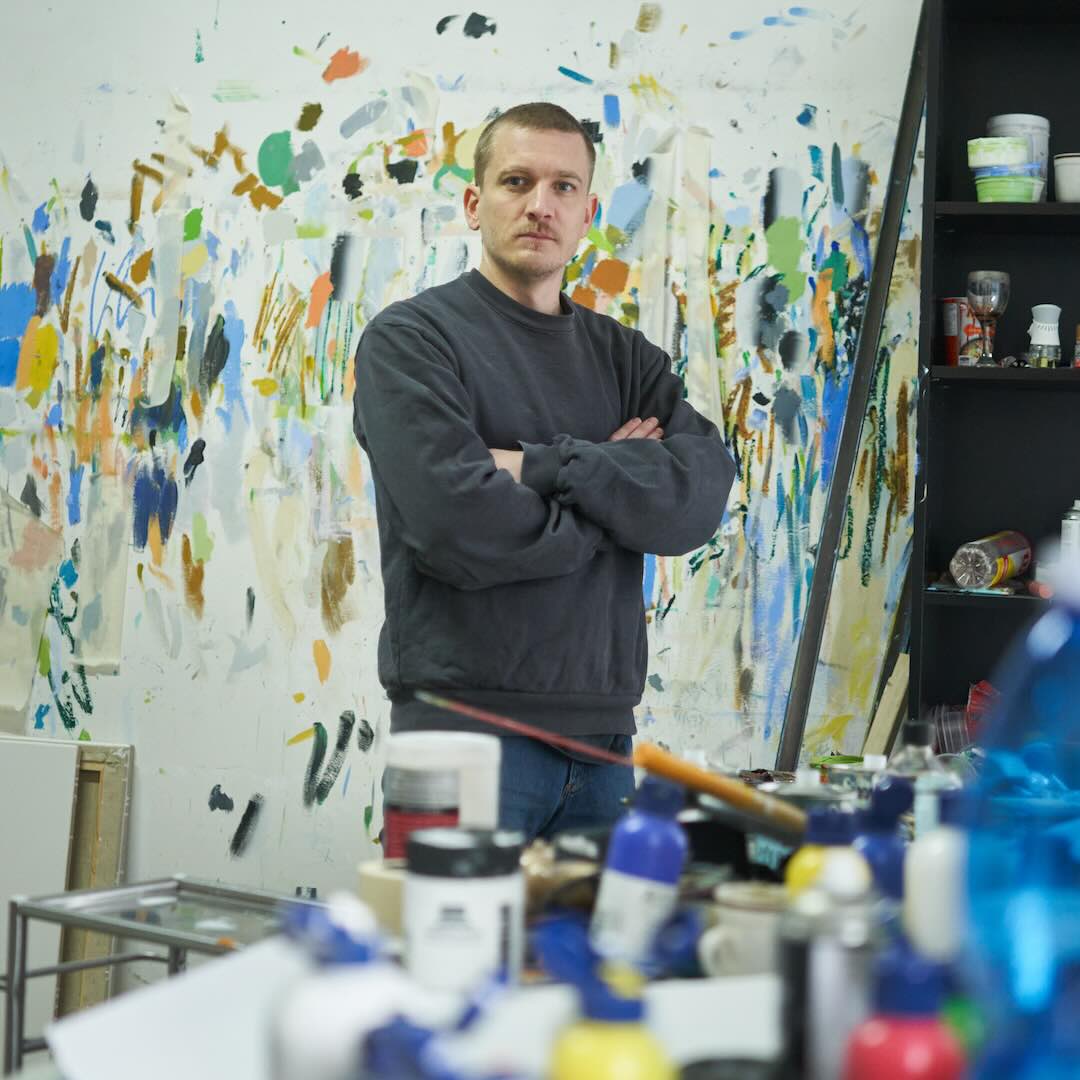
Absolon Tomáš
Tomáš Absolon (*1987) finds his inspiration in the aesthetics of the poster; his large-format paintings sit on the boundary between abstraction and concrete elements.
Tomáš Absolon (*1987) finds his inspiration in the aesthetics of the poster; his large-format paintings sit on the boundary between abstraction and concrete elements.
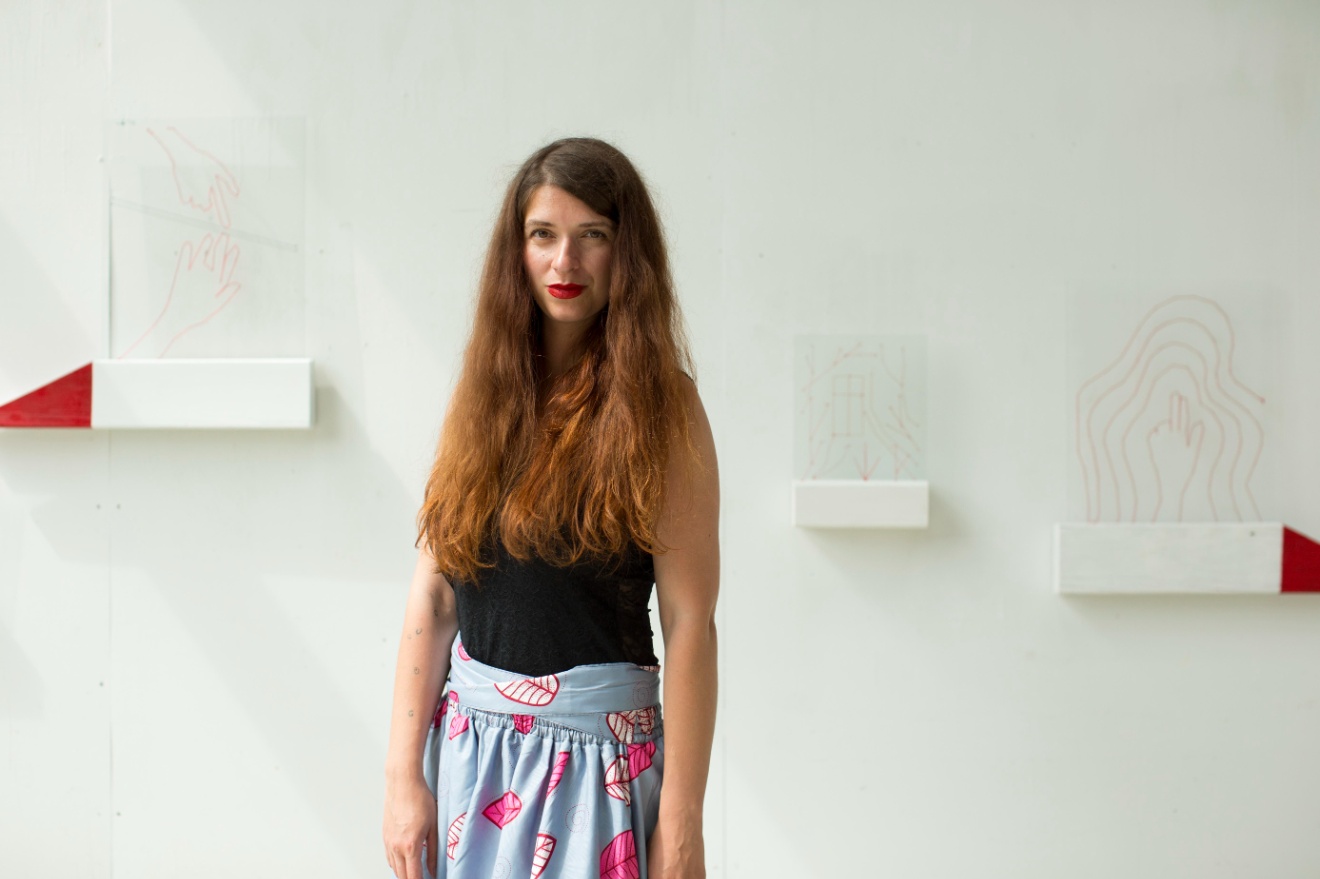
Karíma Al-Mukhtarová (*1989) works most often with embroidery on unconventional surfaces such as glass, and uses her practice to examine identity.
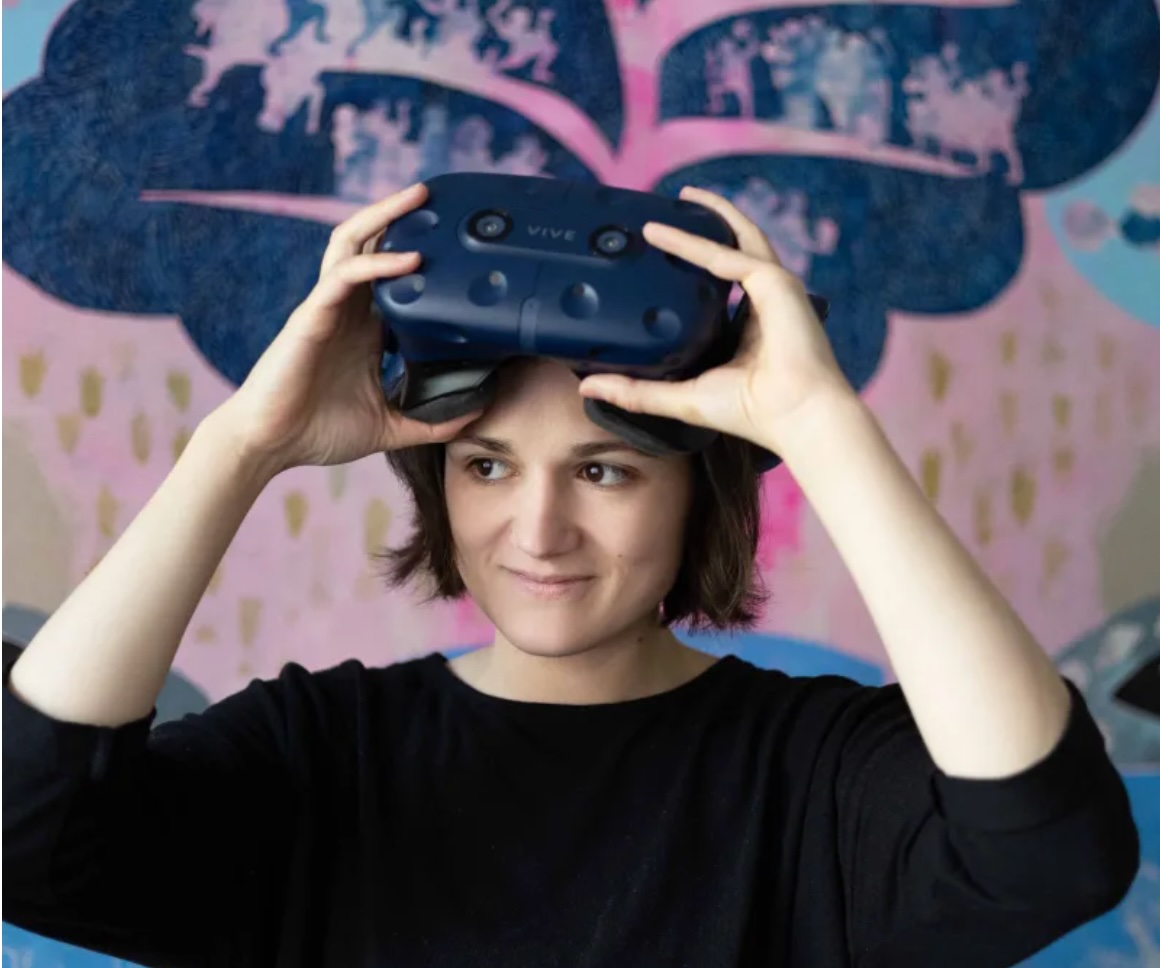
Radka Bodzewicz (*1991) makes large-scale oil paintings inspired by myth and archetype, and gives them a parallel life in augmented reality.
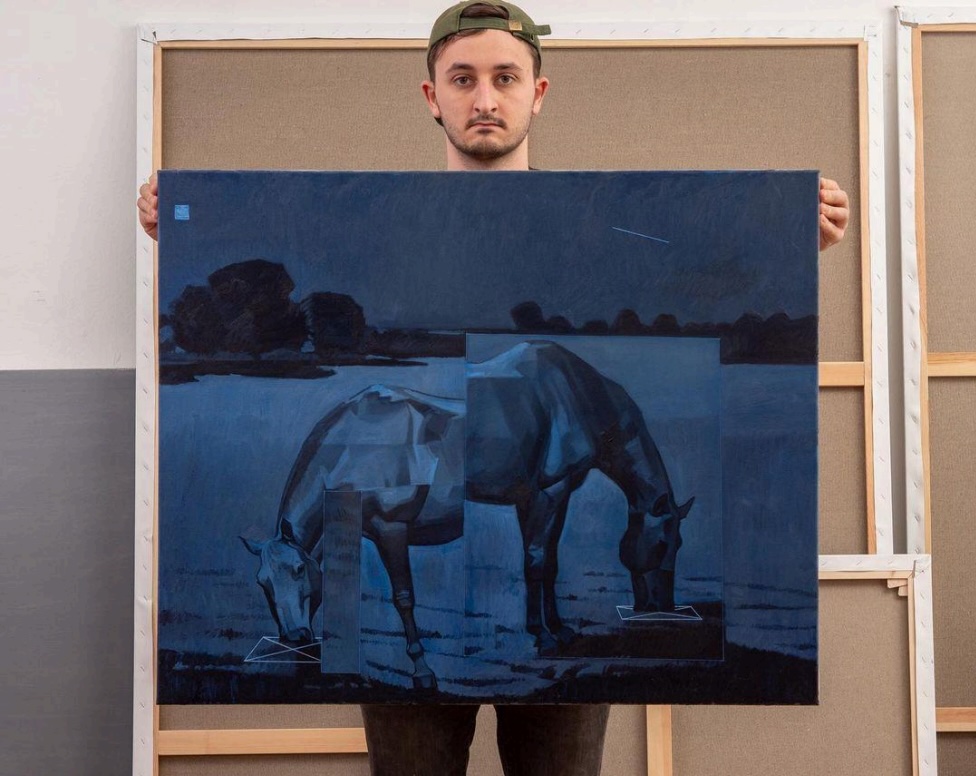
Through hyperrealist painting, Petr Dejmek (*1997) stages a dialogue between the physical world and the virtual reality of computer games.
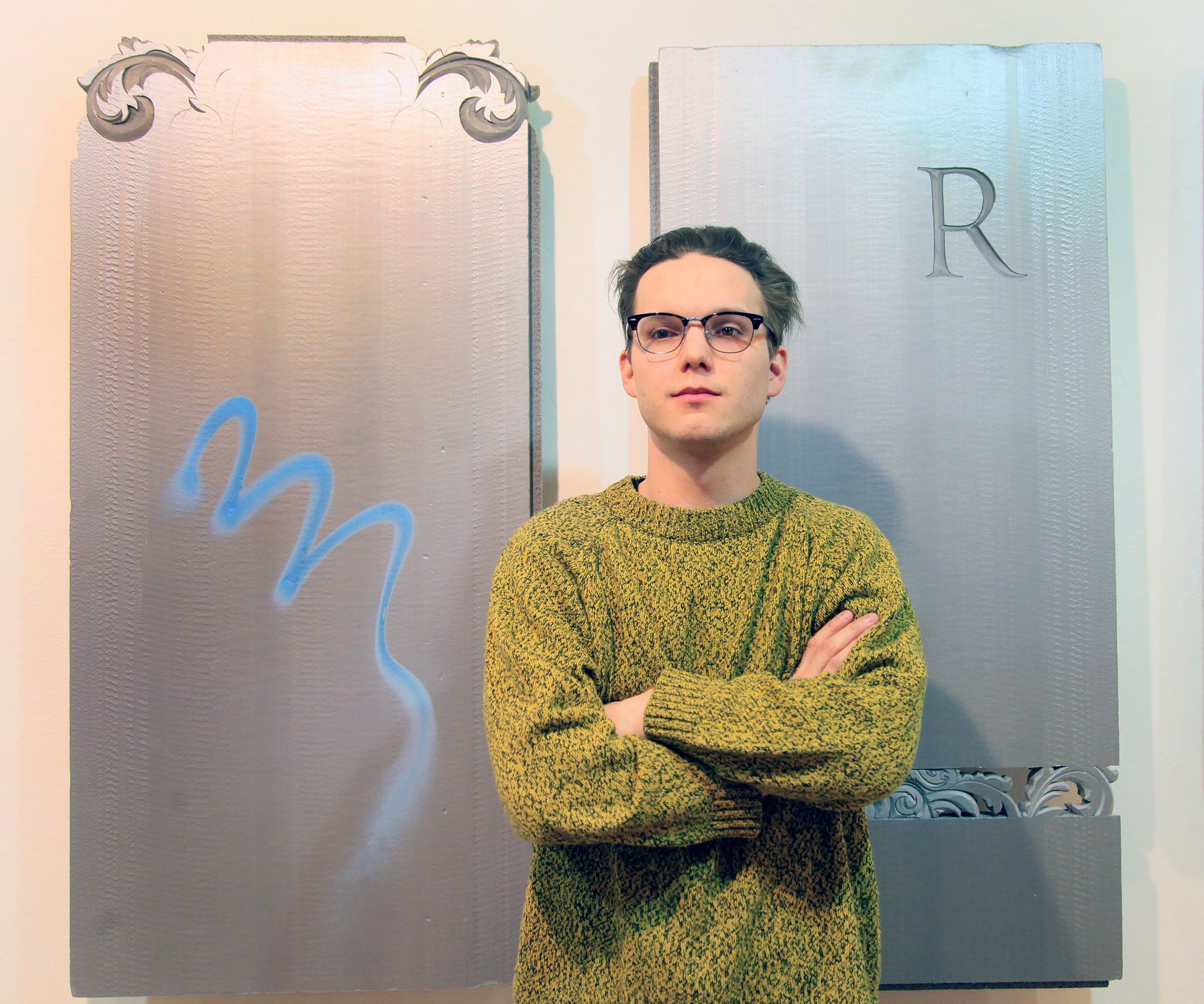
Filip Dvořák (*1990) brings different media together in what he calls object-paintings, in which he examines ornament and the forms of the landscape.
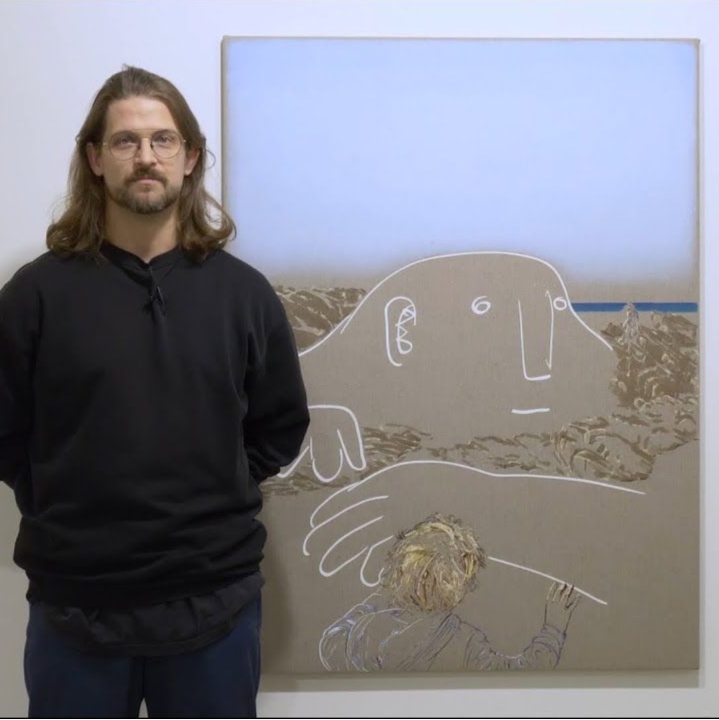
In his work, Tadeáš Kotrba (*1986) joins the real world of his own family to imaginary, stylised elements inspired in part by the Italian Renaissance.
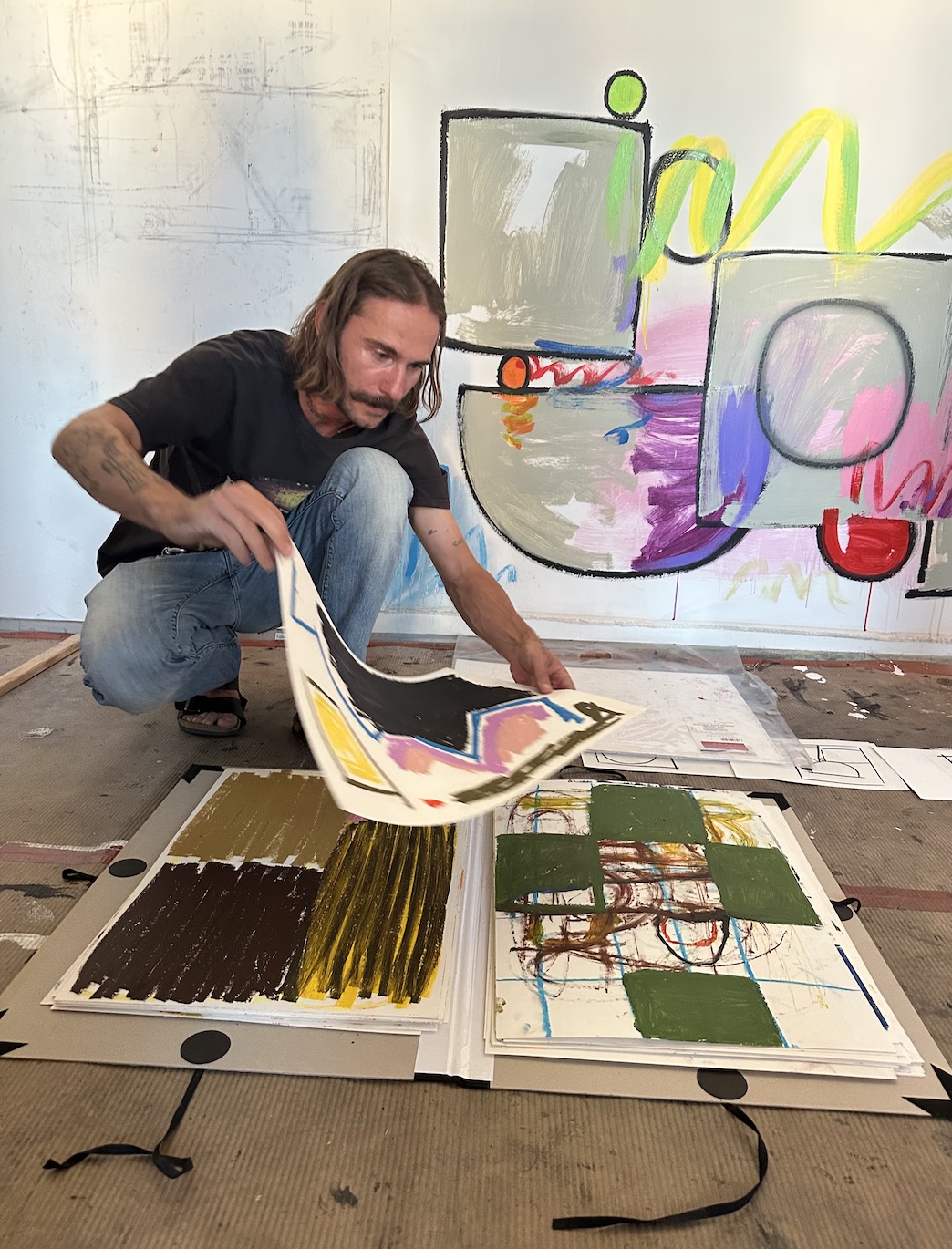
David Krňanský (*1987) works mainly in painting, where he brings together geometric abstraction, the principles of constructivism and the theme of crisis.
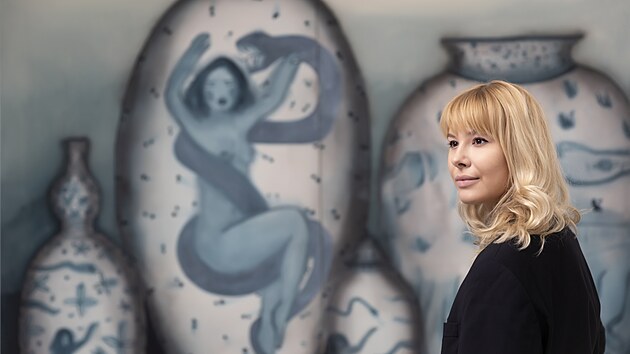
Laura Limbourg (*1996) paints directly onto unprimed canvases, with scenes drawn from exotic subjects and from complex inner themes.
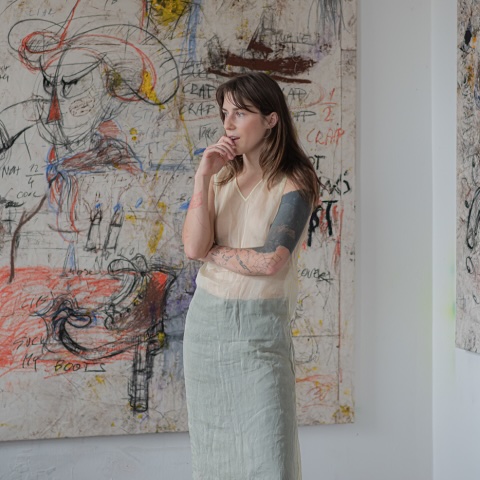
Ester Parasková (*1993) explores the boundary between painting and drawing; her canvases mix a childlike visual language with references to global themes.
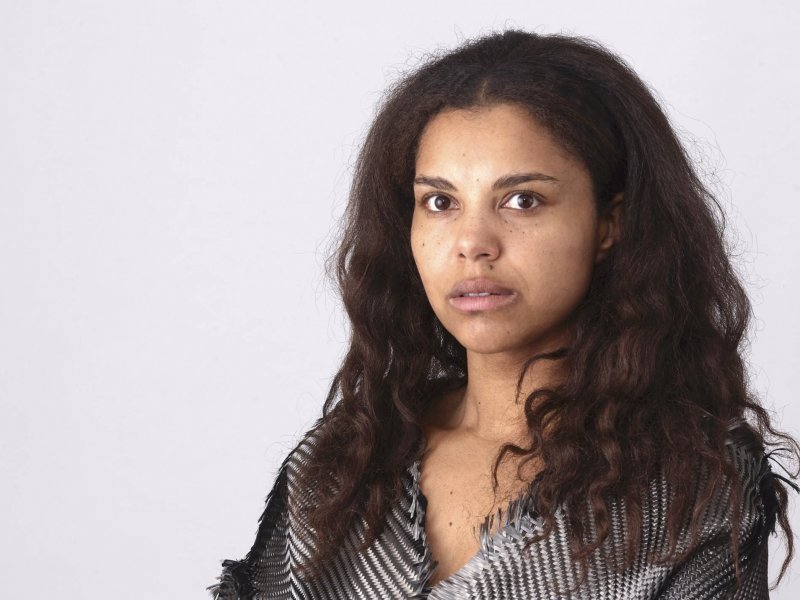
Natalie Perkof (*1979) is a visual artist who experiments with carbon fabrics and other unconventional materials on large-format canvases.
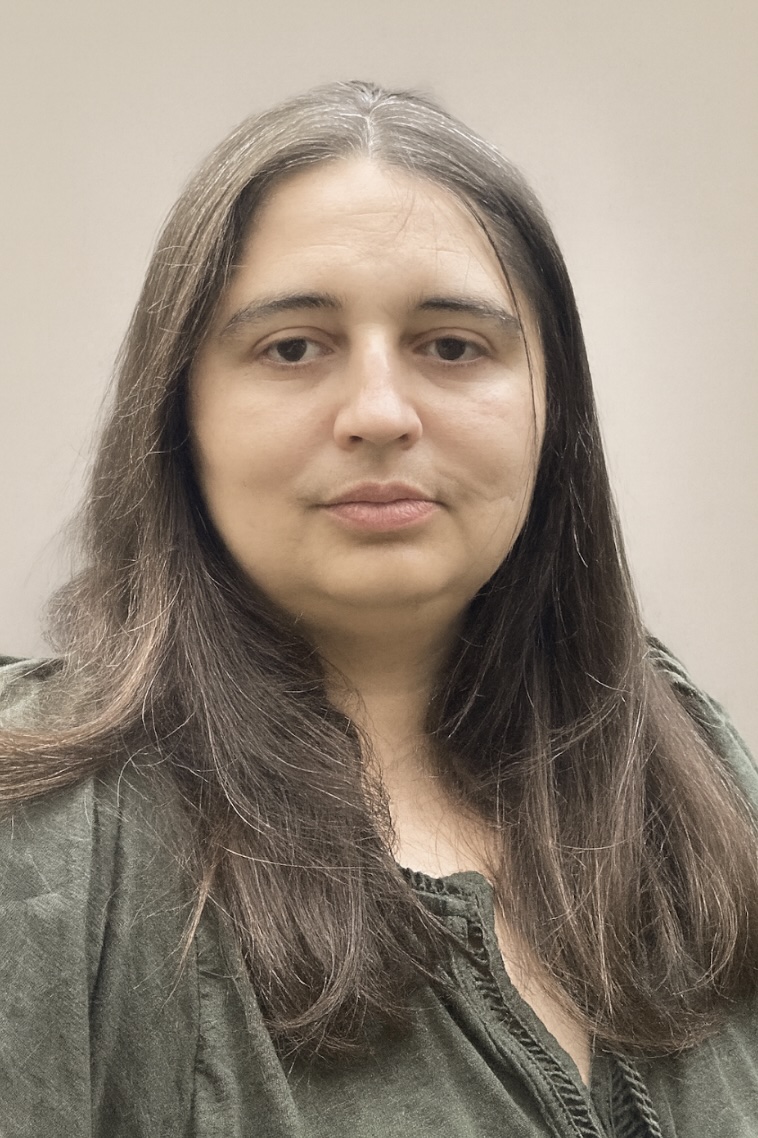
In her figurative painting, Lucie Pouchová (*1981) draws on her professional experience as a social worker and focuses on solitude and the ways we relate to one another.
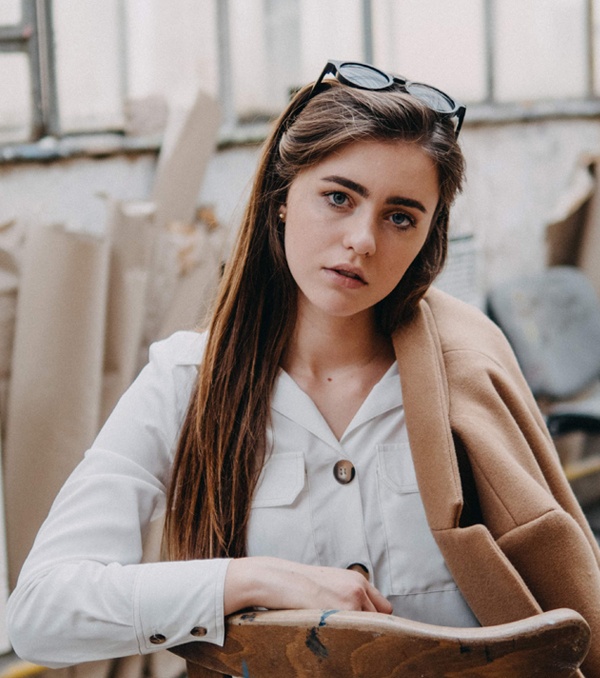
Lucie Rosická (*1998) works mainly with textiles and embroidery, capturing female figures in their everyday lives.
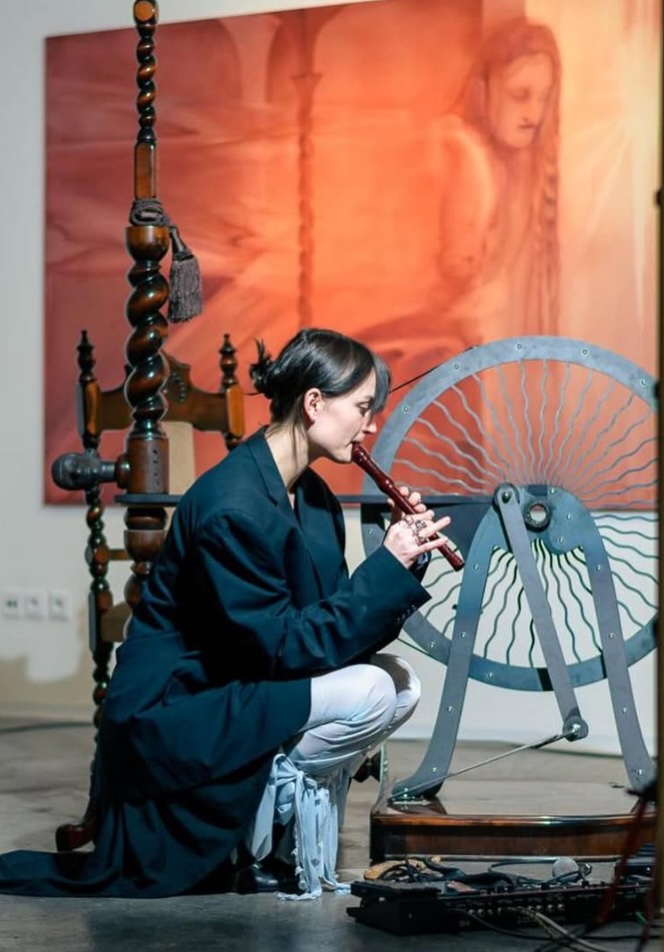
Anna Ruth (*1994) works mainly in painting and site-specific installation, which she complements with soundtracks of her own making.
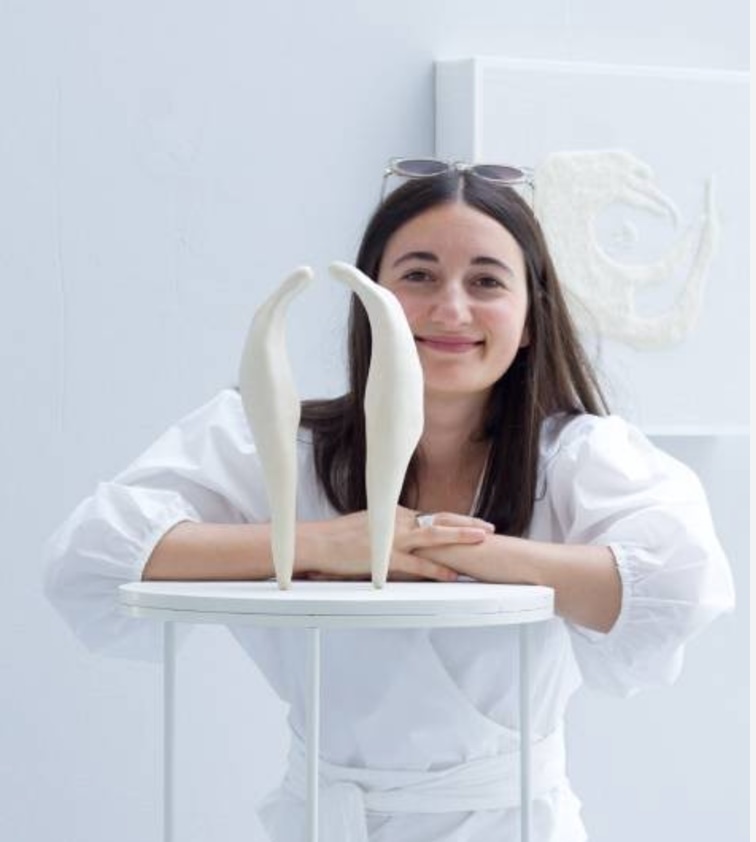
Kateřina Šťastná (*1996) explores the relationship between the body, air and the surrounding environment through embroidered pictures, plaster sculptures and marble reliefs.
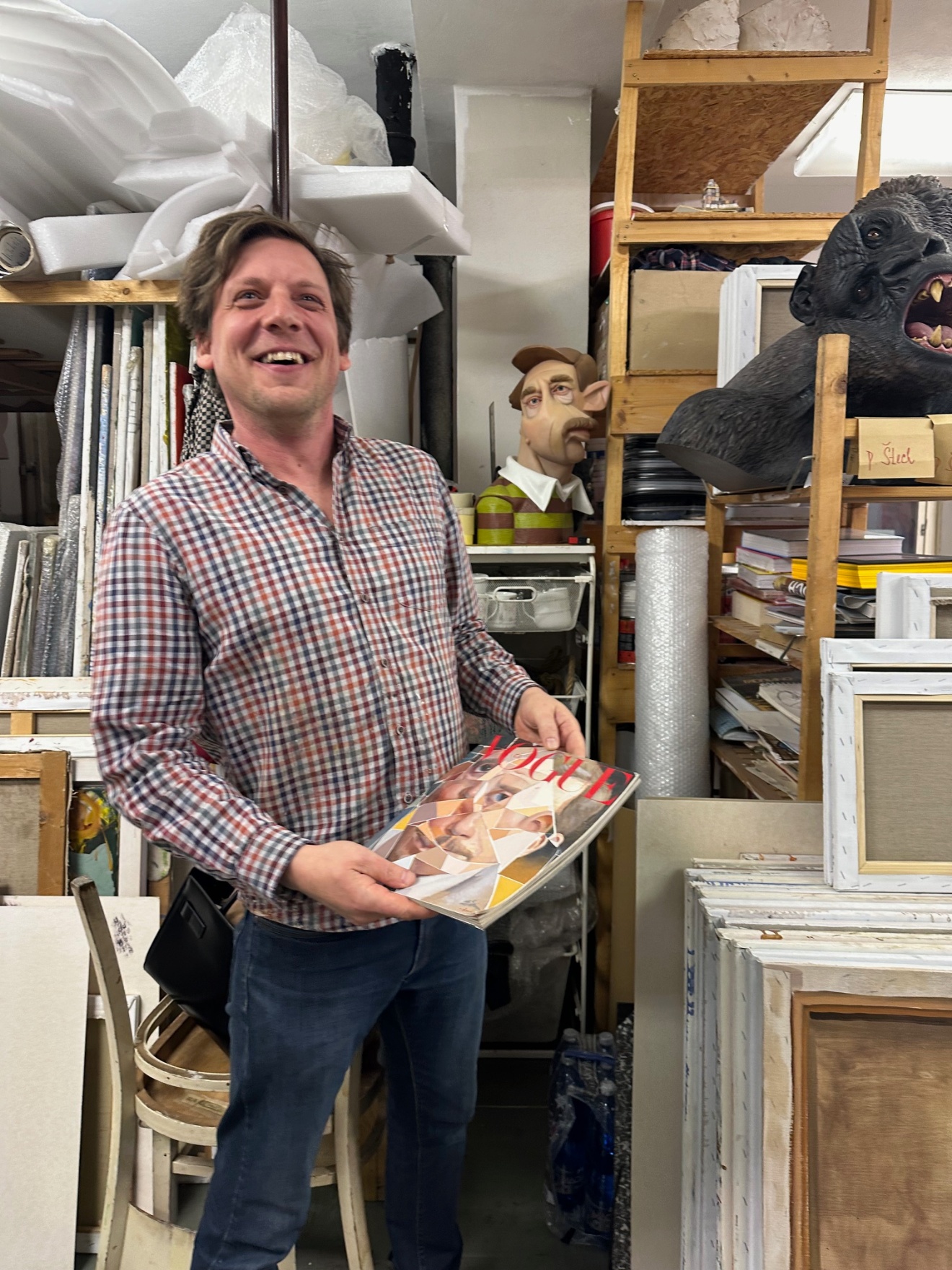
Adam Štech (*1980) takes his subjects from art history; his painting and sculpture draw on cubism and on the figure of Pablo Picasso.
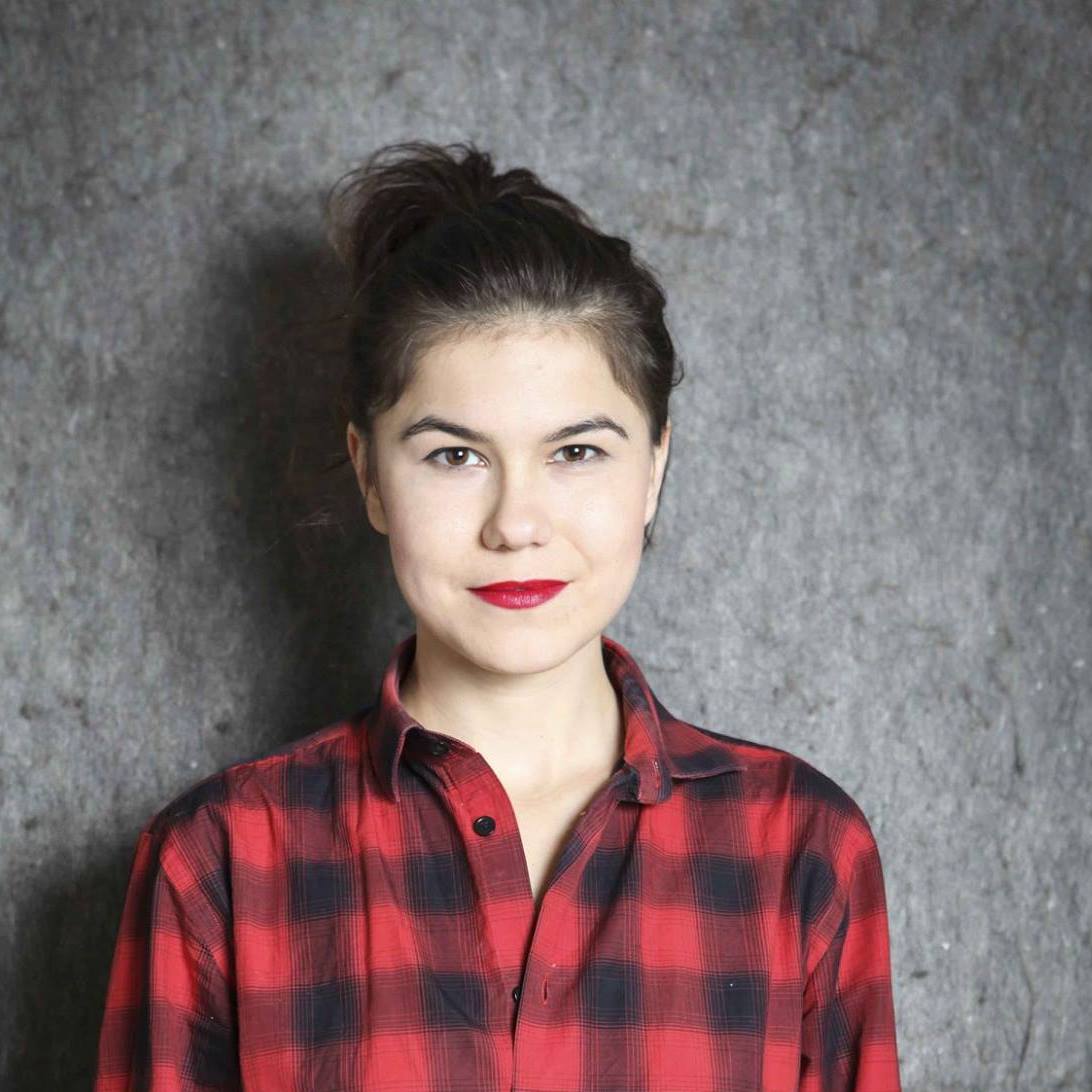
Tereza Štětinová (*1987) moved from photography to sculpture in natural materials, which she uses to tell deep stories about motherhood and the forest.
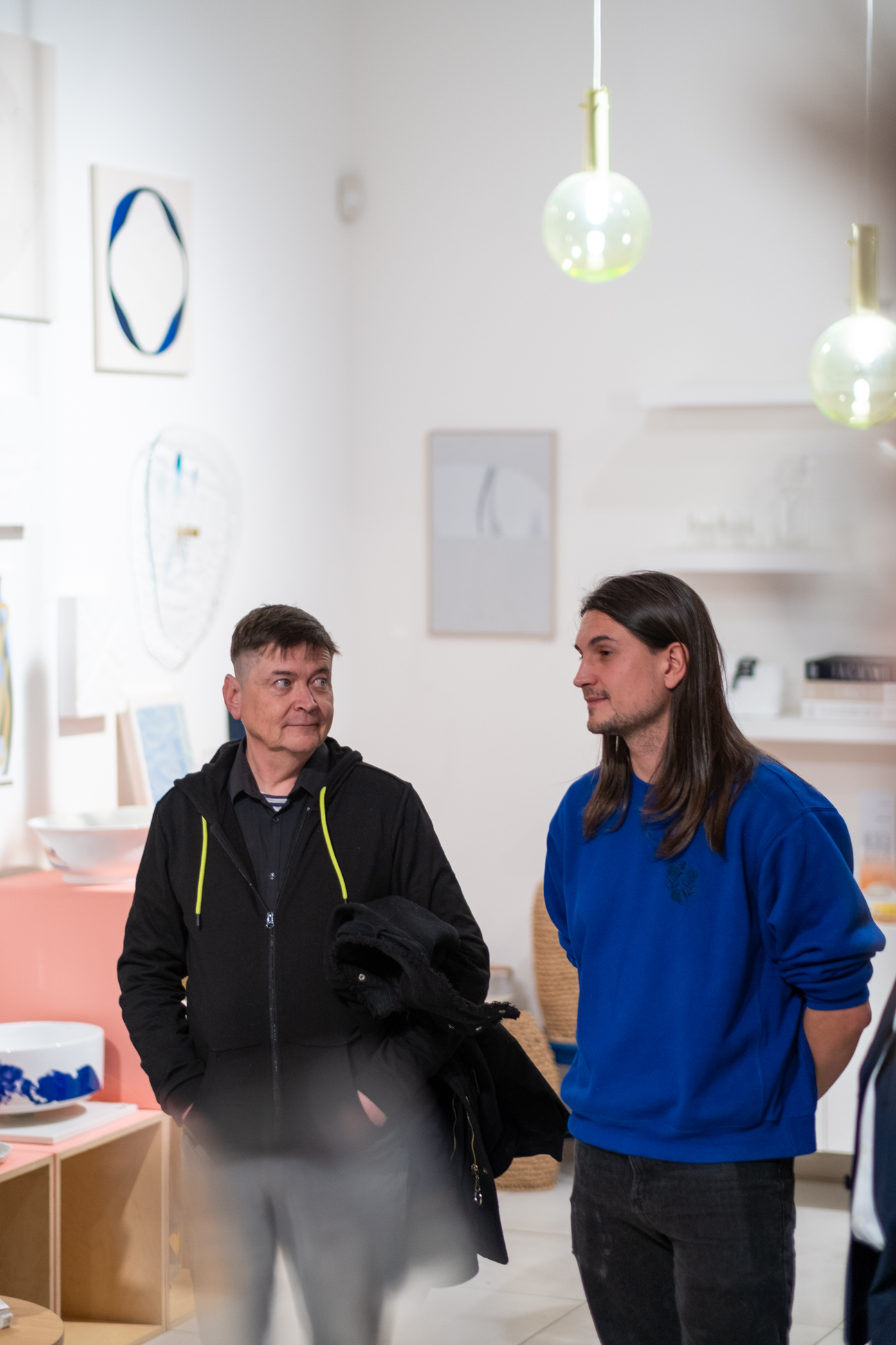
Unconductive trash is the pseudonym of the duo Michal Pěchouček (*1973) and Rudi Koval (*1991), who make work together exploring the cultural and social aspects of life.
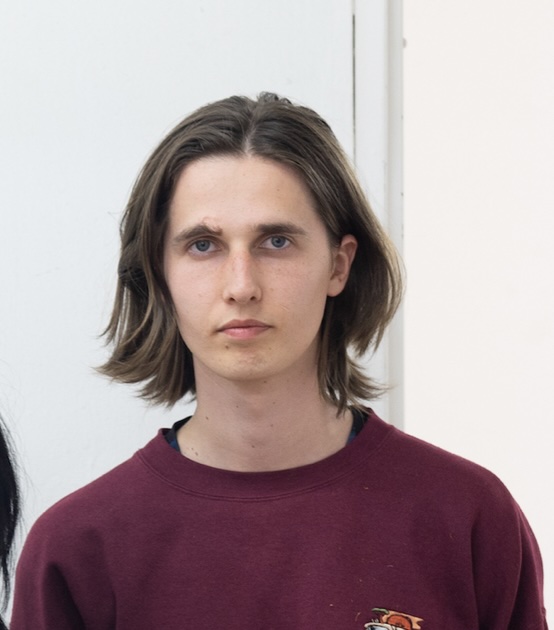
Stanislav Zábrodský (*1996) works with ceramics and concrete; he is fascinated by mineralogy and by speculation about how materials will change in the future.
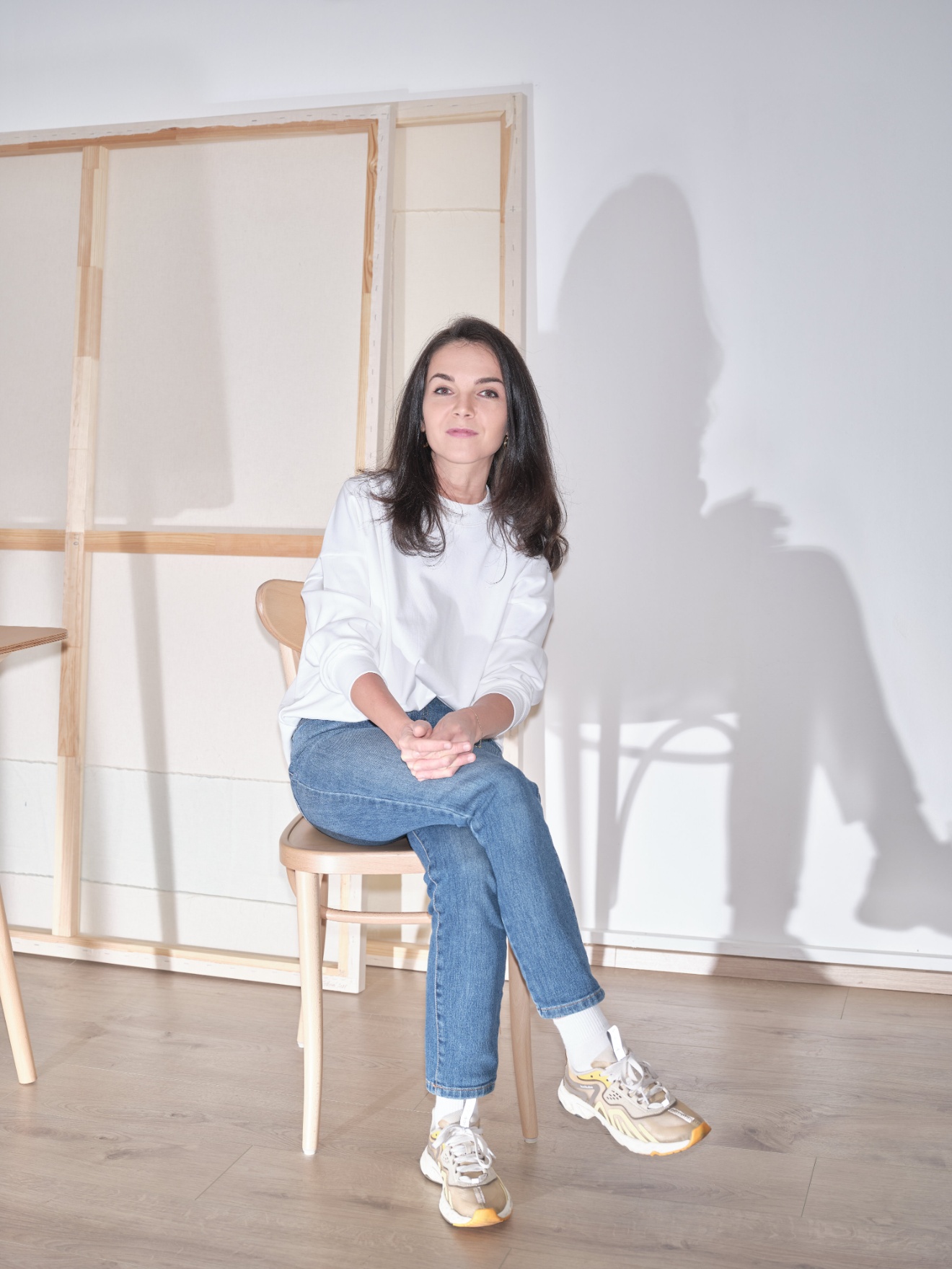
Monika Žáková (*1987) explores materials: she folds and crumples the canvas itself and then uses colour to bring out the play of light and shadow.
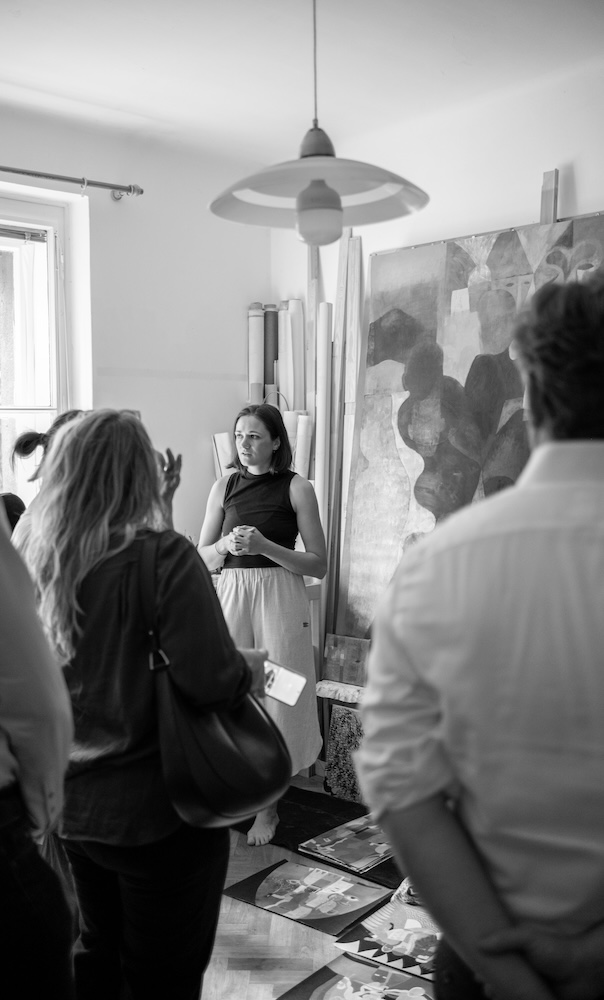
Art Part Club is a space for inspiration, education, sharing and buying art. Join a community of people who are curious about the art world and want to get to know it up close.
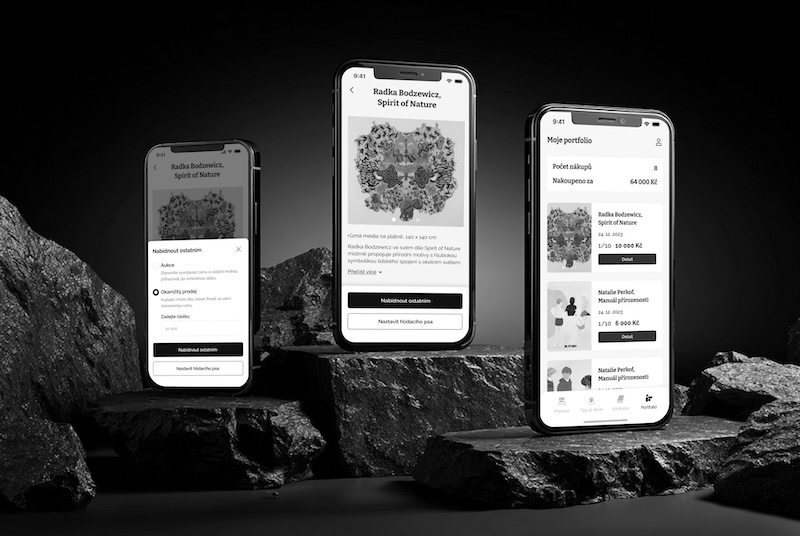
Download the ArtPartClub app